Upcoming Events


Jump to the setup you want.
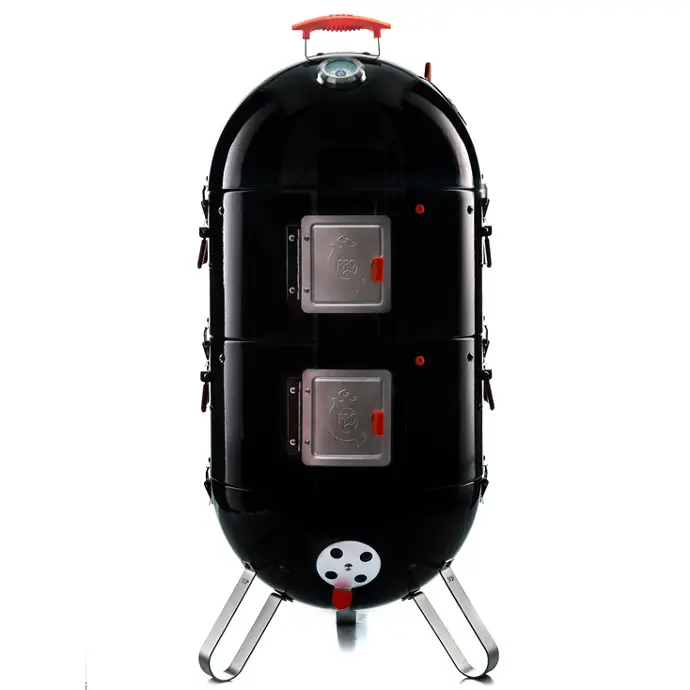
“Low and slow” refers to cooking meat at a low temperature for a long time, usually at 100–120°C (220–250°F). Light around half a chimney starter of charcoal or briquettes and pour it into the centre of your charcoal basket, then fill the rest of the basket with unlit fuel. Add a couple of wood chunks on top for smoky flavour. Fill three quarters of your waterpan with warm water and place it into the first stacker with a grill on top. Add a second stacker and grill if needed, then cover with the lid. Start with all four vents open; once you reach your desired temperature, close one bottom vent slightly to save fuel. The water acts as a heat sink and helps prevent temps rising much over 110°C/225°F. If you prefer not to use water, sand or terracotta in the waterpan can work similarly—control temperature with the bottom vents.
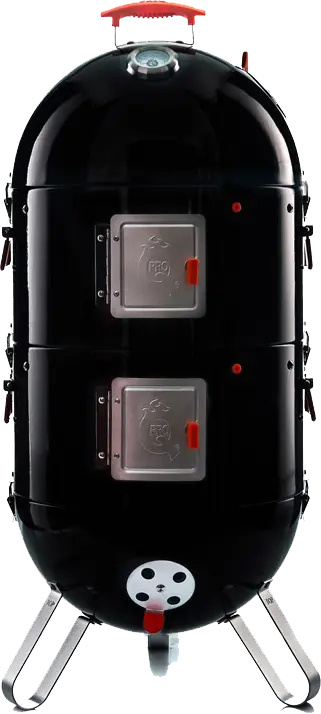
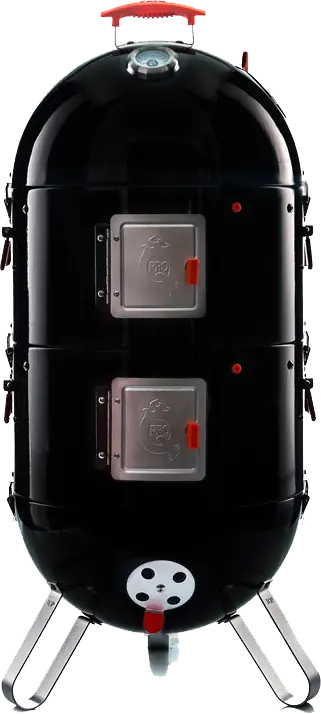
Hot and fast barbecue emerged from the BBQ competition scene—same flavour profile as low and slow, but dramatically reduced cook times (for example brisket from 16 hours to around 5). Light around half a chimney starter of charcoal or briquettes, pour into the centre of the basket, then fill the rest with unlit fuel. Add a couple of wood chunks on top. Place the first stacker on the base with an empty waterpan (covered or lined with foil for easy clean-up). Add a grill to the first stacker, then add a second stacker and grill if you need more space. Keep all vents open; if temperature runs too high, close the vents in the base slightly.
Roast using an empty waterpan (similar to hot and fast), but start with a larger fire. Light a full chimney starter of charcoal or briquettes and pour it into the centre of the basket, then fill the rest with unlit fuel. Let the fire catch for 10–15 minutes. Place the first stacker on your base with an empty waterpan (covered or lined with foil), add a grill, close the lid, and keep all vents open. If needed, reduce temperature by closing the base vents slightly.
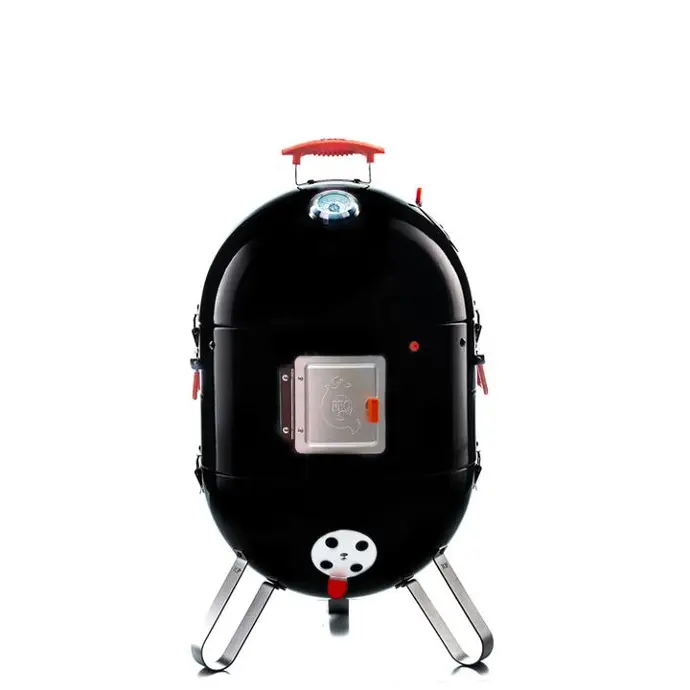
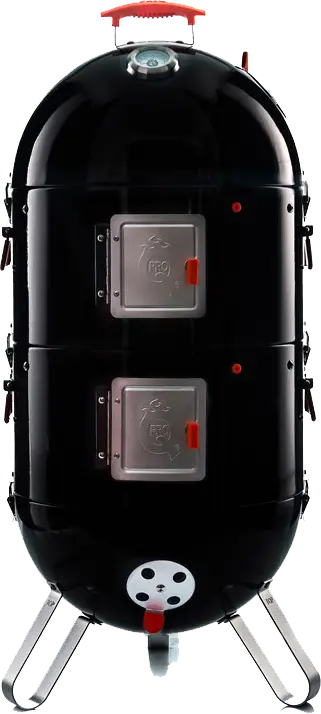
Long distance direct heat gives you more direct heat from the fire—great for pork crackling and chicken skin. Light around half a chimney starter of charcoal or briquettes and pour it into the centre of the basket, then fill the rest with unlit fuel. Place both stackers on the base after your fire is lit, with a grill on the top stacker. Place food on the grill and close the lid. Check every 15–20 minutes. Without the grill, this setup can replicate drum-smoker cooking: hang ribs using the meat hooks and the built-in hanging bar inside the lid. Reduce temperature by closing the base vents slightly if needed.
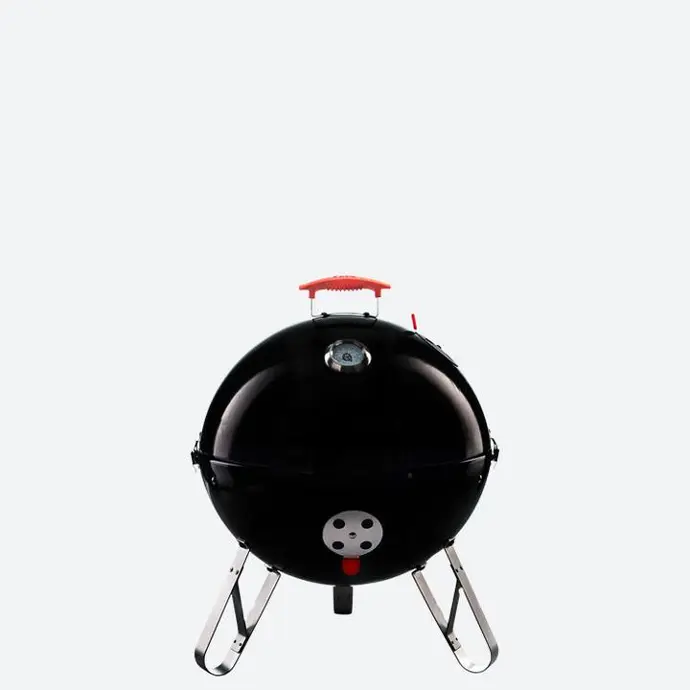
ProQ smokers also work brilliantly as a kettle grill—ideal for beach days, camping, or quick cooks. Light about half a chimney starter and scatter coals into the basket, then add more fuel to cover evenly. Add a grill and wait for coals to turn grey with little to no flames to reduce flare-ups. If you don’t have a stacker handy: light enough fuel to fill one third of the basket, push to one side, add a grill, and place food on the side opposite the fire with the lid on for lower-temperature cooking with great BBQ flavour.
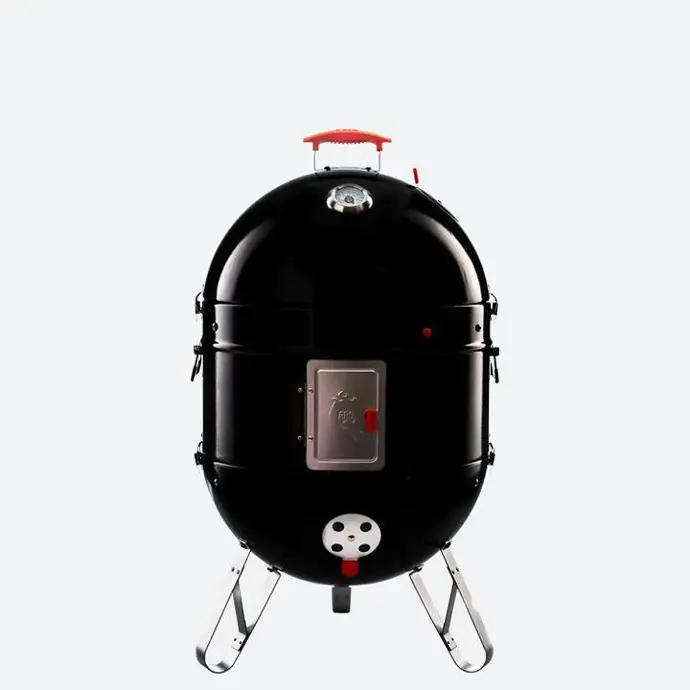
Offset grilling gives more control over heat and is more forgiving than direct grilling—great for chicken. Method one: light around half a chimney starter, scatter into the basket, then add more fuel evenly. Add a stacker and a grill and wait for the fire to burn down slightly, then cook. Method two (camping or beach): light enough fuel to fill one third of the basket, push to one side, add a grill, and place food on the side opposite the fire with the lid on for lower, controlled cooking.
Cold smoking is simple with the ProQ cold smoke generator. Empty your charcoal basket and place the generator inside once it’s lit. Add a stacker with an empty waterpan and a grill (add another stacker and second grill for more space). Close two of the vents in the base completely and open the vent in the lid—this provides ample airflow for the generator.